Kitchen Sink Clogged: What to Check Before Calling for Help
A kitchen sink has a disposal, often a dishwasher and sometimes a second bowl attached to it. Several of those are worth checking before anyone else is involved.
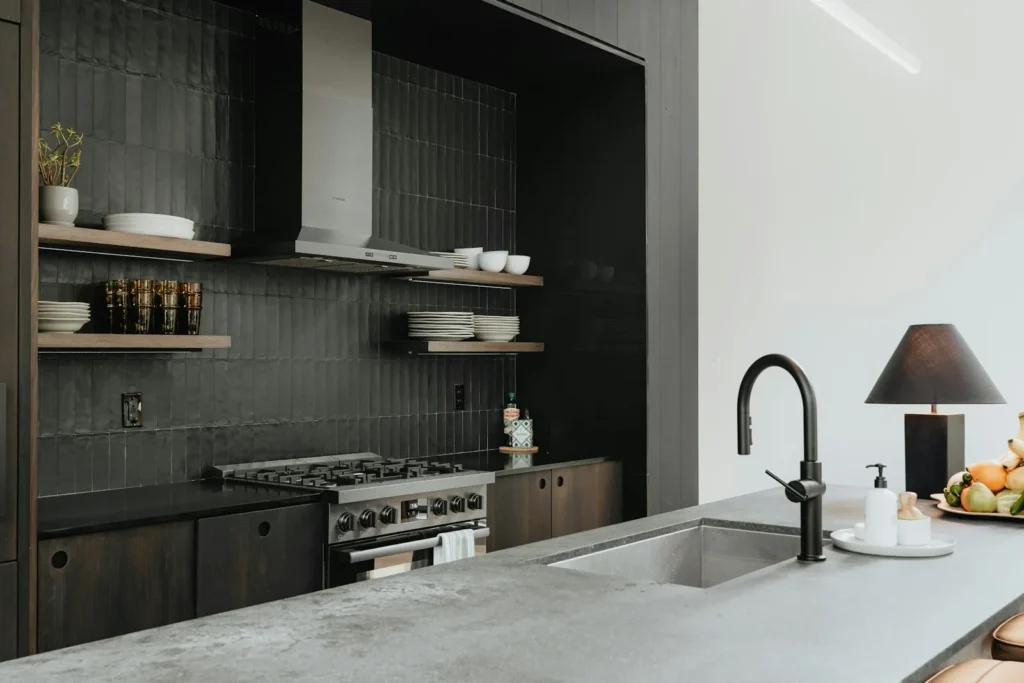
A kitchen sink has more attached to it than any other drain in the house. A disposal, often a dishwasher, sometimes a second bowl, and a trap that deals with grease daily. That also means there are several things worth checking yourself before anyone else needs to be involved.
Start with the disposal
If there is a garbage disposal, check it before anything else. A jammed or dead unit blocks the drain completely, and it looks exactly like a clogged pipe.
Switch it on briefly. A hum with no rotation means it is jammed. Silence means it has no power, and most units have a small reset button on the underside that trips after an overload.
For a jam, most disposals accept a hex key in a socket underneath, which lets you turn the mechanism by hand and free it.
Never put your hand into a disposal. If something has to come out of the chamber, switch the unit off at the wall or at the breaker first, and use tongs or pliers rather than fingers. Do not rely on the wall switch being off.
If one bowl backs up into the other
On a double sink, water rising in the second bowl tells you something useful. The two bowls join before the trap, so the restriction is past that junction rather than in either bowl.
It also means plunging one side alone will not work. Pressure escapes up the other bowl. Block the second drain firmly, with a stopper or a wet cloth held down hard, before plunging.
Check the dishwasher
The dishwasher usually drains into the disposal or into the sink waste. Two things are worth looking at.
If a new disposal has been fitted, the knockout plug inside its dishwasher inlet may still be in place. That blocks the dishwasher entirely, and it is a common oversight after an installation.
Water appearing in the dishwasher when the sink backs up confirms a shared blockage past the point where they join, rather than a fault with the appliance.
Clean out the trap
The U bend under the sink is where kitchen blockages most often sit, and it is designed to come apart.
Put a bucket underneath before you start, because the trap holds water by design and the pipe above it will drain too. Unscrew the two collars by hand where possible. Plastic fittings rarely need tools, and using a wrench on them is how they crack.
Clear what is inside, check the horizontal arm running into the wall as well, and refit. If the trap comes out clean and the sink still will not drain, the restriction is past it, which is genuinely useful to know.
Do not open the trap if chemical drain cleaner has been used. It will be sitting in there waiting for you.
Plunge it properly
A flat cup plunger is the right shape for a sink. Leave a few inches of water in the bowl so the cup has something to work with.
Block everything else that connects. That means the second bowl on a double sink and, if the sink has one, the overflow. Pressure takes the easiest route, and any open opening is easier than the blockage.
Disconnect or clamp the dishwasher drain hose before plunging hard, or you risk pushing dirty water back into the appliance.
The grease question
Fats and oils are the defining kitchen drain problem. They go down warm and liquid, cool against the pipe, and set on the wall. Every subsequent bit of food debris has something to stick to.
Hot water and detergent do not solve this. They move the grease further along the pipe, where it cools somewhere less accessible. A kitchen drain that slows steadily over months, rather than blocking suddenly, is usually describing a grease layer rather than an object.
Pouring grease into a container and throwing it out once it has set is unglamorous and genuinely effective. Wiping greasy pans with a paper towel before washing them helps as much again.
Things worth not doing
Chemical drain cleaner in a kitchen sink. These products are a poor match for a grease blockage, and if the sink does not clear, the standing caustic liquid has to be dealt with before anyone can open the trap. It makes the next stage worse.
Running the disposal repeatedly at a full sink. If water is not draining, the disposal is not going to move it. Repeated attempts risk overheating the motor.
Boiling water into plastic waste pipe. It can soften or distort the pipe and damage seals.
When the problem is past the sink
Some signs point beyond the kitchen entirely. Other fixtures running slow at the same time, a gurgle from somewhere else when the sink drains, water appearing at a floor drain or a lower fixture, or a sink that blocks again within weeks of being cleared.
Those suggest a shared line rather than the kitchen waste, and no amount of work under the sink will address it. Our article on why drains keep clogging covers what sits behind a recurring blockage.
When to ask for help
Reasonable points to stop are a clean trap with no improvement, more than one fixture affected, any sewage smell or backup elsewhere, a disposal that will not reset or that leaks from the body, or a repeat blockage shortly after clearing.
It is worth mentioning up front if drain cleaner has been used, so whoever opens the pipe knows what is in there. For drain work, see drain cleaning, and for a heavily coated line, hydro jetting.
Frequently asked questions
Why does water come up in the other side of my sink?
Both bowls share a drain below the point where they join. Water blocked further along takes the only other opening available, which is the second bowl. It places the blockage past that junction.
Can a garbage disposal cause a clog?
Indirectly, often. It breaks food into small pieces that still have to travel the pipe, and fibrous or starchy waste can pack together downstream. Running plenty of cold water during and after use helps carry it through.
Is it safe to take the trap apart myself?
On modern plastic traps, generally yes, with a bucket underneath and hand tightening on reassembly. Older metal traps can be corroded and may not go back together, so it is worth knowing that before you start. Do not open a trap that has had drain cleaner poured into it.
For plumbing service in Houston, call (877) 563-1074 to connect with an independent plumbing service provider.