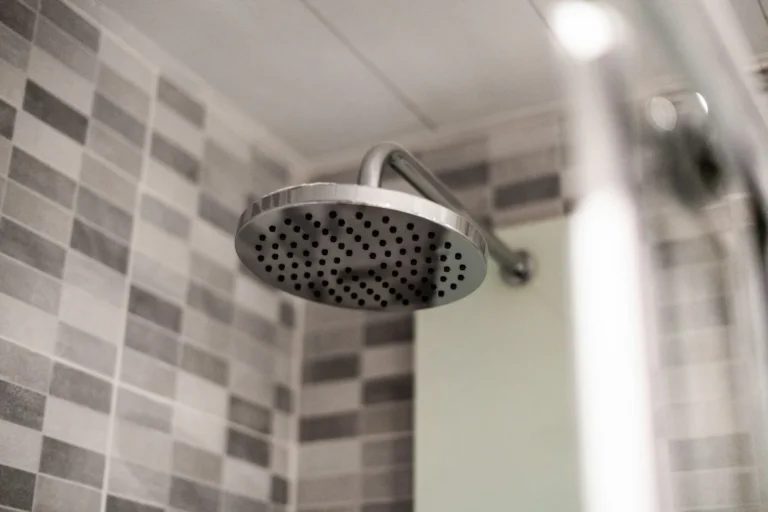
Why Is My Faucet Making a Squealing or Whistling Noise?

A squeal or whistle from a faucet is water being forced through a gap that has become too small, or a part vibrating because it’s no longer held firmly. Both are cheap to fix. The useful first step is working out whether the noise belongs to the faucet at all.
Is It the Faucet or the Pipes?
These get confused constantly, and they lead in completely different directions.
It’s the faucet when the noise comes from the fixture itself, changes as you move the handle, happens at one fixture only, and stops the moment you shut that faucet off.
It’s the plumbing when the noise seems to come from the wall or floor, affects more than one fixture, or arrives as a bang or hammer rather than a sustained tone. That’s covered in what causes pipes to knock or bang.
Test it by opening the faucet slowly. A faucet noise usually appears at a specific handle position and changes pitch as you keep turning. A pipe noise tends to be tied to flow rate rather than handle position.
Start With the Aerator
The aerator is the screen at the tip of the spout, and it’s the most common source of a whistle. Water forced through a partly blocked screen speeds up and whistles, exactly like air through a narrowed gap.
Unscrew it — usually by hand, or with a cloth wrapped around it to protect the finish — and run the faucet without it. If the noise stops, you’ve found it.
Soak it in vinegar to dissolve mineral deposits, rinse, and refit. Note how the parts stack before you take it apart; they go back in a specific order. If it’s badly scaled or the screen is damaged, replacing it costs very little.
Scale returning quickly points at water hardness rather than the aerator, and hard water and what it does to plumbing covers why fixtures keep needing this.
Then the Cartridge or Stem
If removing the aerator changed nothing, the noise is coming from inside the valve.
A worn washer on a compression faucet can flutter in the flow and produce a distinct squeal. Rubber that has hardened does this more readily than fresh rubber.
On a cartridge faucet, worn internal seals or scale on the cartridge produce the same effect. The tell for both is that the noise appears at a particular handle position and disappears when the handle is fully open.
A dry or worn stem thread can also squeak mechanically as you turn it. That’s a different sound — it happens as you move the handle rather than while water runs — and it usually means the stem needs lubricating or replacing.
The Supply Stop Underneath
An often-missed cause. The small shut-off valve under the sink can whistle if it’s only partly open, because water is being squeezed through a restricted opening before it reaches the faucet at all.
Check whether both valves are fully open. If one was left partly closed after a repair, opening it fully may solve the noise and improve the flow at the same time. If the valve is stiff, leave it alone rather than forcing it.
A kinked supply line does the same thing, and it’s worth a look while you’re under there.
When the Noise Means Something Bigger
Most faucet noise is a cheap part. A few patterns point elsewhere.
Several fixtures whistling. That’s not four coincidental aerators. It suggests something affecting supply across the property, which may be pressure-related — signs your water pressure is too high covers what excessive pressure does, and low water pressure and its causes covers the other direction.
Noise that started suddenly across the house. Often follows work on the water system, a meter change, or a main break nearby, any of which can dislodge debris.
Whistling with reduced flow. A restriction somewhere rather than a vibrating part.
Noise only on the hot side. Points toward the water heater or its connections rather than the faucet, and water heater noises covers those.
When to Get Help
Worth involving a professional when several fixtures are affected, when a shut-off valve is seized, when the noise came with a change in pressure or flow, or when cleaning the aerator and replacing the cartridge made no difference.
Faucet repair covers the fixture; plumbing repair covers it if the cause turns out to be upstream.
If several fixtures have started whistling at once, call (877) 563-1074 to connect with an independent plumbing service provider serving Houston.
Frequently Asked Questions
Why does my faucet only whistle when it is half open?
That’s characteristic of a worn washer or cartridge seal. At a partly open position the gap is small enough for water to move fast past the component, which sets it vibrating. Fully open, the gap is large and the vibration stops. It points inside the valve rather than at the aerator.
Can a whistling faucet damage anything?
The noise itself is harmless. What it indicates may not be — a worn washer will eventually drip, and a partly closed valve is worth opening. If the whistle came with a noticeable change in pressure across the house, that’s worth investigating on its own terms rather than treating as a noise problem.
The noise only happens with hot water. Why?
Heat ages rubber faster, so hot-side washers and seals usually fail first — that alone explains many one-sided noises. If the sound seems to come from beyond the faucet, or you hear it at several hot taps, the water heater and its connections are worth looking at instead.