Water Heater Pilot Light Keeps Going Out: Common Causes
A pilot that goes out once may mean nothing. One that keeps going out is a fault, and the pilot is part of a safety system rather than just a flame.
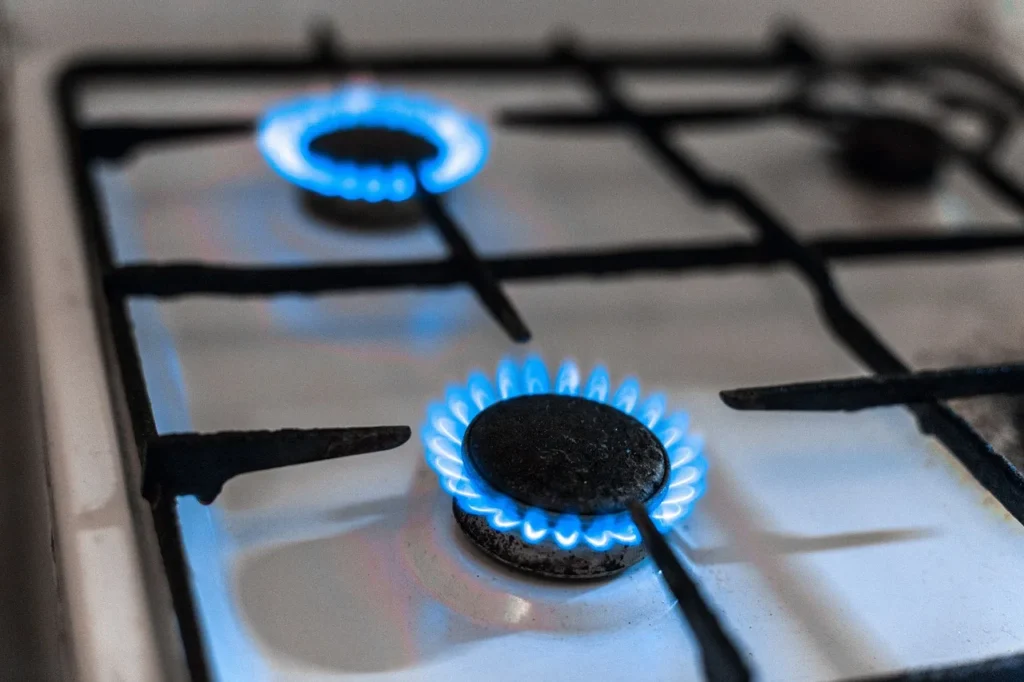
A pilot light that goes out once may mean nothing. One that keeps going out is a fault, and the important thing is that the pilot is part of a safety system. When it will not stay lit, something is either failing or being detected, and both are reasons to find the cause rather than keep relighting it.
Before anything else
If you smell gas, stop. Leave the building, do not operate light switches or anything electrical on the way out, and call your gas utility or the emergency number from outside. Do not attempt to relight anything.
Do not relight repeatedly. If the pilot goes out again immediately, each further attempt releases more unburned gas into the area around the heater. Two failed attempts is enough.
Follow the instructions on the unit. The lighting sequence is printed on a label on the heater, and it varies between models. The steps and the waiting periods in that sequence exist for a reason.
The thermocouple
This is the most common cause by a wide margin.
A thermocouple is a small probe sitting in the pilot flame. Heat from the flame generates a tiny electrical current, and that current holds a gas valve open. It is a deliberately simple safety arrangement: no flame means no current, which means the valve closes and gas stops.
When a thermocouple ages, corrodes, or sits slightly out of position, it stops producing enough current even though the flame is burning. The valve closes anyway and the pilot goes out. The classic pattern is a pilot that lights and burns happily while you hold the control down, then dies within seconds of letting go.
Thermocouples are inexpensive parts. Newer heaters often use a thermopile or an electronic flame sensor instead, which does the same job by a slightly different route.
A dirty pilot orifice
The pilot burns through a very small opening, and dust, lint or corrosion products will partly block it over time.
A restricted orifice gives a weak, small or yellowish flame instead of a crisp blue one. That flame may not envelop the thermocouple properly, so the thermocouple cools, the valve closes, and the pilot goes out even though nothing is actually broken.
A pilot flame that looks lazy or the wrong color is a useful observation to report.
Drafts and venting
A pilot flame is small and easily disturbed. A draft across the burner area can blow it out directly.
Common sources are a nearby door or window, a vent, or air movement created by another appliance. If the pilot fails when the laundry is running, when the air handler starts, or on windy days, that pattern is worth noting.
The more serious version is a venting problem. If combustion gases cannot leave properly through the flue, they can spill back around the burner and disturb or extinguish the pilot. That matters beyond the inconvenience, because those gases include carbon monoxide, which has no smell.
Signs worth treating seriously are soot or scorching around the top of the heater, a burnt smell, condensation on the flue, or headaches and nausea among people in the house that ease when they leave. Any of those should be looked at promptly, and a working carbon monoxide alarm near gas appliances is a sensible precaution regardless.
A restricted air intake
Many modern gas heaters have a screen or flame arrestor at the base that lets combustion air in. In a garage or utility room that screen collects dust, lint and pet hair.
Starved of air, the burner and pilot cannot run properly, and the pilot becomes unreliable. It is a genuinely common cause and a frequently overlooked one, particularly where a heater shares space with a dryer.
Keeping the area around the base of the heater clear, and keeping stored items away from it, helps more than it sounds like it should.
Gas supply and the control valve
If other gas appliances in the house are also behaving oddly, the issue may be supply rather than the heater. That is a question for the gas utility.
The gas control valve on the front of the heater can also fail. When it does, it may not hold the pilot circuit open even with a healthy thermocouple and a clean flame. This is not a homeowner repair, and it is normally diagnosed by ruling out the simpler causes first.
What you can safely check
All of the following are observation rather than intervention.
How the failure happens. Does it die the moment you release the control knob, or stay lit for hours or days and then go out? The first points at the thermocouple. The second points more towards drafts, venting or air supply.
What the flame looks like. A healthy pilot is small, steady and mostly blue, and it should wrap around the tip of the thermocouple. Yellow, weak or lifting away from the probe are all worth reporting.
Whether anything correlates. Wind, the dryer running, a door being opened, the air handler starting.
The area around the base. Dust and lint on the intake screen, and anything stored against the heater.
Signs of poor combustion. Soot, scorching, or a burnt smell near the top of the unit.
When to stop and get service
Stop relighting and arrange service if the pilot will not stay lit after two attempts, if it keeps failing over days or weeks, if you smell gas at any point, if there is soot or scorching, if a carbon monoxide alarm has sounded, or if anyone in the house has unexplained headaches or nausea that improve away from home.
A recurring pilot problem is a fault with a cause, and the underlying causes range from a cheap part to a venting problem that matters. See water heater repair. If the unit has other symptoms alongside this, our article on water heater noises covers what else is worth noting.
Frequently asked questions
Why does my pilot go out as soon as I let go of the knob?
That is the signature of a thermocouple problem. Holding the knob down manually keeps the gas valve open. Releasing it hands that job to the thermocouple, and if it is not generating enough current the valve shuts.
Is it safe to keep relighting the pilot?
Not repeatedly. Each failed attempt releases unburned gas near the heater. If two goes do not hold it, treat that as the answer and arrange service rather than continuing.
Can weather affect a pilot light?
It can. Wind can affect how a flue drafts, which disturbs the burner area. A pilot that fails mainly on windy days is pointing at venting or draft rather than at the thermocouple, and that is useful to mention.
For plumbing service in Houston, call (877) 563-1074 to connect with an independent plumbing service provider.