Hard Water in Houston: What It Does to Your Plumbing
Hard water doesn’t break anything outright. It shortens things: the working life of cartridges, aerators, flappers, heating elements and appliance valves. Meanwhile it presents as nothing worse than white crust and spotted glassware, which is why it gets filed as a cleaning nuisance rather than a plumbing factor.
What Hardness Actually Measures
Hardness is the concentration of dissolved calcium and magnesium in water, expressed as milligrams per liter of calcium carbonate, or sometimes as grains per gallon.
The U.S. Geological Survey classifies water this way:
| Classification | mg/L as CaCO₃ | Grains per gallon |
|---|---|---|
| Soft | 0 to 60 | 0 to 3.5 |
| Moderately hard | 61 to 120 | 3.5 to 7.0 |
| Hard | 121 to 180 | 7.0 to 10.5 |
| Very hard | More than 180 | Over 10.5 |
One grain per gallon equals 17.118 mg/L. That’s the conversion you’ll need when equipment is rated in grains and your water report is published in mg/L.
Hardness is a measure of mineral content rather than a health-based contaminant standard. That’s why it appears as an aesthetic or nuisance parameter rather than a safety limit.
Finding Your Own Number
Rather than rely on a general figure for the region, get the one that applies to your supply. Hardness varies between water systems, and in a city drawing on more than one source it can vary depending on what’s feeding your area at the time.
Every community water system in the United States must publish an annual Consumer Confidence Report, also called a water quality report, under the Safe Drinking Water Act. City of Houston customers can find current and archived reports through Houston Public Works. If a different provider bills you, request theirs.
Look for hardness in the table of detected substances. Note the units, and note whether the figure given is an average or a range. If it isn’t listed, water quality teams will usually answer a direct question about it. Houston Public Works publishes a water quality contact and also routes inquiries through 311.
An inexpensive test strip will give you a rough reading at the tap, which is enough to distinguish moderately hard from very hard.
What Scale Does Around the House
Minerals come out of solution and deposit on surfaces. Deposits build fastest where water is heated, where it evaporates, and where it passes through small openings.
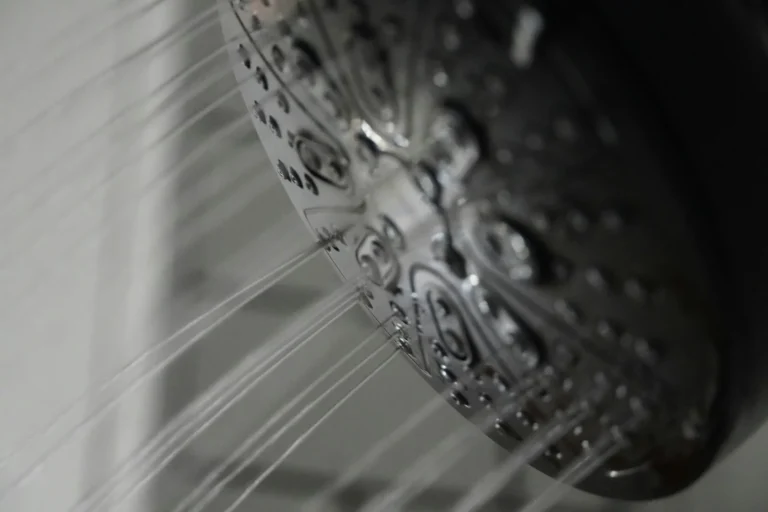
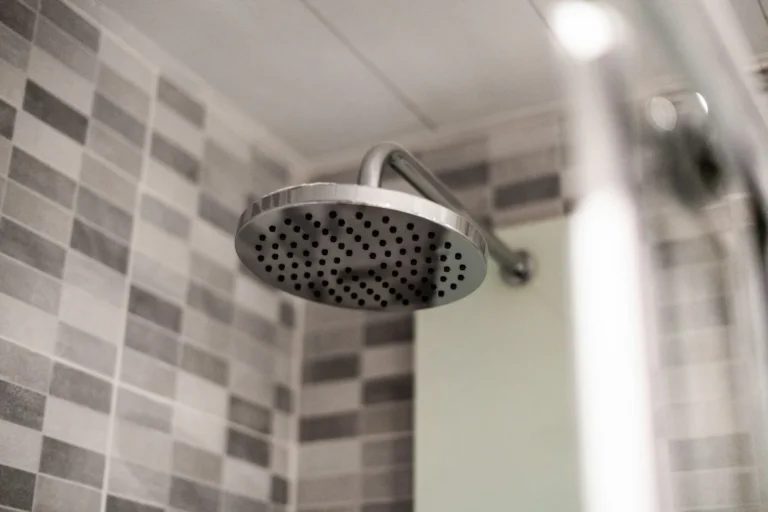
Aerators and showerheads. The most visible casualty. Scale collects in screens and spray holes, and flow falls off gradually enough that nobody notices until a cleaned aerator makes the difference obvious.
Faucet cartridges and valve seats. Scale on a sealing surface stops it sealing. This is a common reason a faucet drips again shortly after a new cartridge goes in. The part was replaced; the surface it closes against was not.
Toilet fill valves and flappers. Deposits on a flapper seat produce the silent leak that shows up on a bill rather than as a noise.
Shut-off valves. Valves that sit untouched for years scale up and seize. You discover this at the worst possible moment, when you need one to close.
Appliances. Dishwashers and washing machines have inlet valves, narrow passages and heating elements that scale on the same principle.
Water heaters. Heating accelerates deposition, so tanks accumulate sediment and tankless units scale inside the heat exchanger. That matters, but it’s one component among many, and the water heater guide covers the tank side properly.
Pipe interiors. Scale builds slowly on pipe walls, more so on the hot side. It’s a long-timescale effect and rarely the first thing to address, but it’s part of why older systems gradually lose flow.
What Hard Water Is Not
Worth separating, because these get blamed on hardness and usually aren’t.
Hardness is a mineral measurement, not a safety one. Rust-colored staining points to iron rather than hardness. Blue-green staining points to copper. A rotten-egg smell in hot water is a separate phenomenon involving the water heater rather than mineral content. And cloudy water that clears from the bottom of the glass upward is dissolved air, not minerals.
What Actually Helps
Descaling what you can reach costs nothing and recovers most of the visible loss. Aerators and showerheads unscrew and soak in vinegar. Doing it on a schedule beats waiting until the flow annoys you.
Beyond that, the options are treatment, whether softening or scale inhibition. That decision has enough variables to deserve proper consideration rather than a quick recommendation here.
It’s reasonable to involve a professional when fixtures need repeated repair, when a valve has seized, when flow has dropped across the property, or when you want treatment options assessed against your actual water. Faucet repair and plumbing repair cover the fixture side.
If scale is costing you fixtures faster than it should, call (877) 563-1074 to connect with an independent plumbing service provider serving Houston.
Frequently Asked Questions
Is hard water bad for me?
Hardness measures dissolved calcium and magnesium and is treated as an aesthetic and nuisance parameter rather than a health-based standard. Questions about the safety of your drinking water are best directed to your water provider, who tests the supply and publishes the results.
Does hard water cause low water pressure?
Not directly, but scale narrowing aerators, showerheads and valve passages reduces flow at the fixture, which feels much the same. If cleaning an aerator restores it, that was the cause. A drop affecting the whole property is a different problem and needs looking at separately.
Why do my faucets drip again soon after repair?
Often because scale has damaged or coated the seat the new part closes against. A new cartridge or washer sealing onto a pitted or scaled surface won’t hold. High supply pressure produces the same pattern, so both are worth checking.
Source: USGS, Hardness of Water — classification ranges and grains-per-gallon conversion.