Why Is My Toilet Tank Not Filling Up?
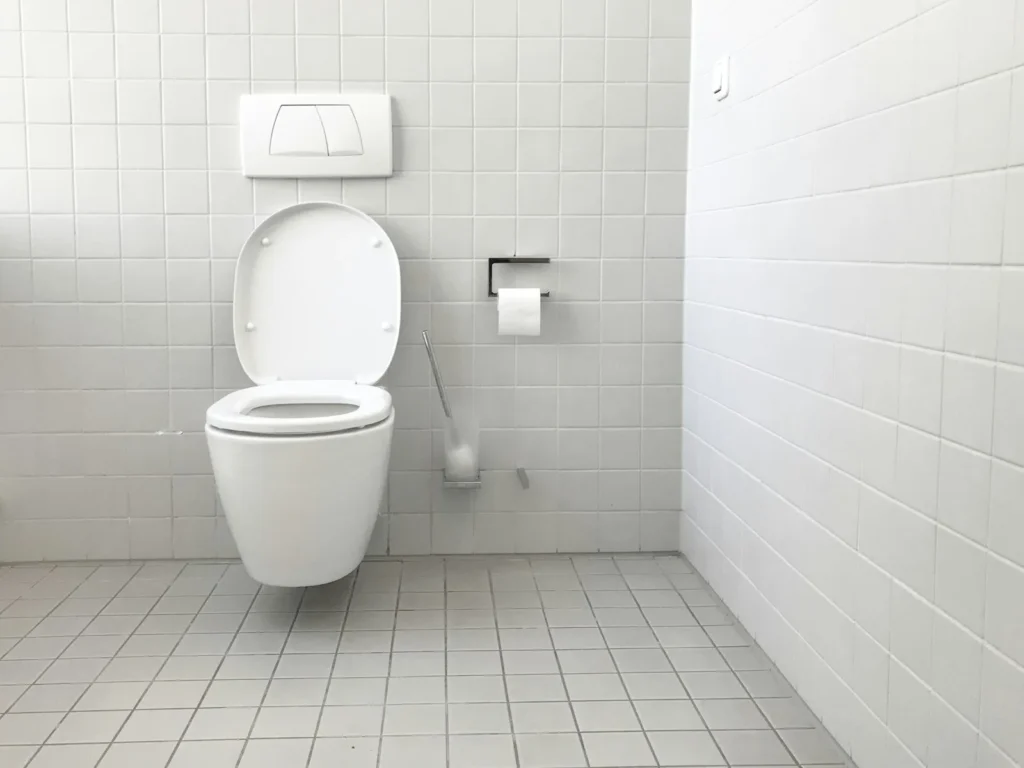
A toilet tank that won’t fill, or fills so slowly that you can’t flush twice in a row, is nearly always a supply problem rather than a toilet problem. The water is either not arriving, or arriving too slowly, and there are only a handful of places that can happen.
Work through them in order and you’ll usually find it without tools.
Start With the Shut-Off Valve
There’s a small valve on the wall behind the toilet where the supply line connects. It’s the single most common cause of a slow fill, and the reason is mundane: somebody turned it partly off and never turned it back.
That happens after a repair, after a leak, or when a valve gets nudged by whatever is stored behind the toilet. Turn it counterclockwise until it stops. If the fill speeds up, that was it.
Two cautions. If the valve won’t turn, don’t force it. Old valves seize, and the handle can shear or the packing can start weeping under pressure. And if turning it produces a drip at the valve body, stop there — that’s a valve problem now, not a fill problem.
Then the Fill Valve Itself
The fill valve is the tall assembly on the left side of the tank. It opens when the float drops and shuts when the float rises.
Take the lid off — set it flat on the floor, they crack easily — and flush while watching.
Nothing happens at all. No water, no sound. Either supply isn’t reaching the valve, or the valve has failed outright.
Water trickles in weakly. Usually debris in the valve, a partly closed shut-off, or a valve reaching the end of its life.
It fills, but stops too early. That’s the float, not the fill rate — a separate problem covered further down.
Debris is worth understanding because it explains a toilet that was fine yesterday. Any work on the water system — a repair, a meter change, a main break nearby — can dislodge sediment that then lands in the smallest opening it reaches. A toilet fill valve is often exactly that opening.
When It Fills, But Not Far Enough
This is a different fault that gets described the same way, and it matters because the fix is different.
The water level should sit roughly an inch below the top of the overflow tube — the open vertical pipe in the middle of the tank. Most toilets have a marked fill line on the tank wall or on the overflow tube itself.
If the level stops well below that, the tank isn’t holding enough water to flush properly, and the float is what decides where it stops. Older toilets use a ball on an arm; newer ones use a cup that slides on the fill valve shaft. Both are adjustable, usually by a screw or a clip.
Adjust in small increments and flush between each one. And don’t set the level above the overflow tube to get a stronger flush — water simply runs down the tube continuously, which wastes water silently and won’t show up as a noise.
The Supply Line
Less common, but worth checking if the first two came up clean.
A braided supply line can kink behind the toilet where nobody sees it, particularly after the toilet has been moved or a new line was fitted slightly too long. Some lines also have a small filter screen at one end that catches debris.
Checking either means disconnecting the line, which means shutting the water off and having a towel ready. If you’re not confident the shut-off valve holds, that’s a reason to stop rather than continue — a valve that won’t close turns a small job into a wet one.
If Every Fixture Is Slow, It Isn’t the Toilet
Before spending time inside the tank, run a nearby faucet. If pressure is poor across the house, the toilet is a symptom rather than the cause, and you’re looking at a supply problem instead. Our guide to low water pressure and its common causes covers how to tell a whole-house issue from a single-fixture one.
The same applies if the slow fill started at the same time as anything else unusual on the water system.
When to Stop and Call Someone
A fill valve is an inexpensive part and replacing one is within reach for a lot of homeowners. The parts of this job that go wrong are the connections, not the valve.
Reasonable points to hand it over: the shut-off valve won’t close, or weeps once you’ve moved it. The supply line or valve is corroded. Water appears on the floor at any stage. The tank fills normally but the toilet still flushes poorly, which points at the flush valve or the bowl rather than the fill side. Or more than one fixture is affected, which moves the problem out of the bathroom entirely.
Plumbing repair covers this kind of fixture work.
If the shut-off valve won’t close or you’re seeing water on the floor, call (877) 563-1074 to connect with an independent plumbing service provider serving Houston.
Frequently Asked Questions
Why did my toilet suddenly start filling slowly?
A sudden change usually means something was disturbed rather than something wearing out. The two common explanations are a shut-off valve that got knocked or partly closed, and debris reaching the fill valve after work on the water system. If other fixtures changed at the same time, the cause is upstream of the toilet.
How long should a toilet tank take to refill?
There’s no single correct figure, because it depends on the fill valve, the supply pressure and the tank. What matters is the change: a tank that used to refill in one stretch and now takes noticeably longer is telling you something, while one that has always been leisurely probably just has a slower valve.
Can I adjust the water level higher to get a better flush?
Only up to the fill line, which sits about an inch below the top of the overflow tube. Past that, water runs straight down the overflow and out, so the tank never gains anything and the toilet leaks continuously without making a sound. If the level is correct and the flush is still weak, the problem is elsewhere.