
/
Plumbing Services in Houston/
Emergency Plumbing Services in Houston/
Burst Pipe Repair in Houston
Burst Pipe Repair in Houston
Shut the water off at the meter, open the lowest faucet in the house to relieve pressure, and keep people away from standing water near electrical. Then send a request. Everything after that is about limiting how much of the building the water reaches.
What to do first
A burst line does its damage by the minute, so the order matters. Stop the water before you start looking for the break.
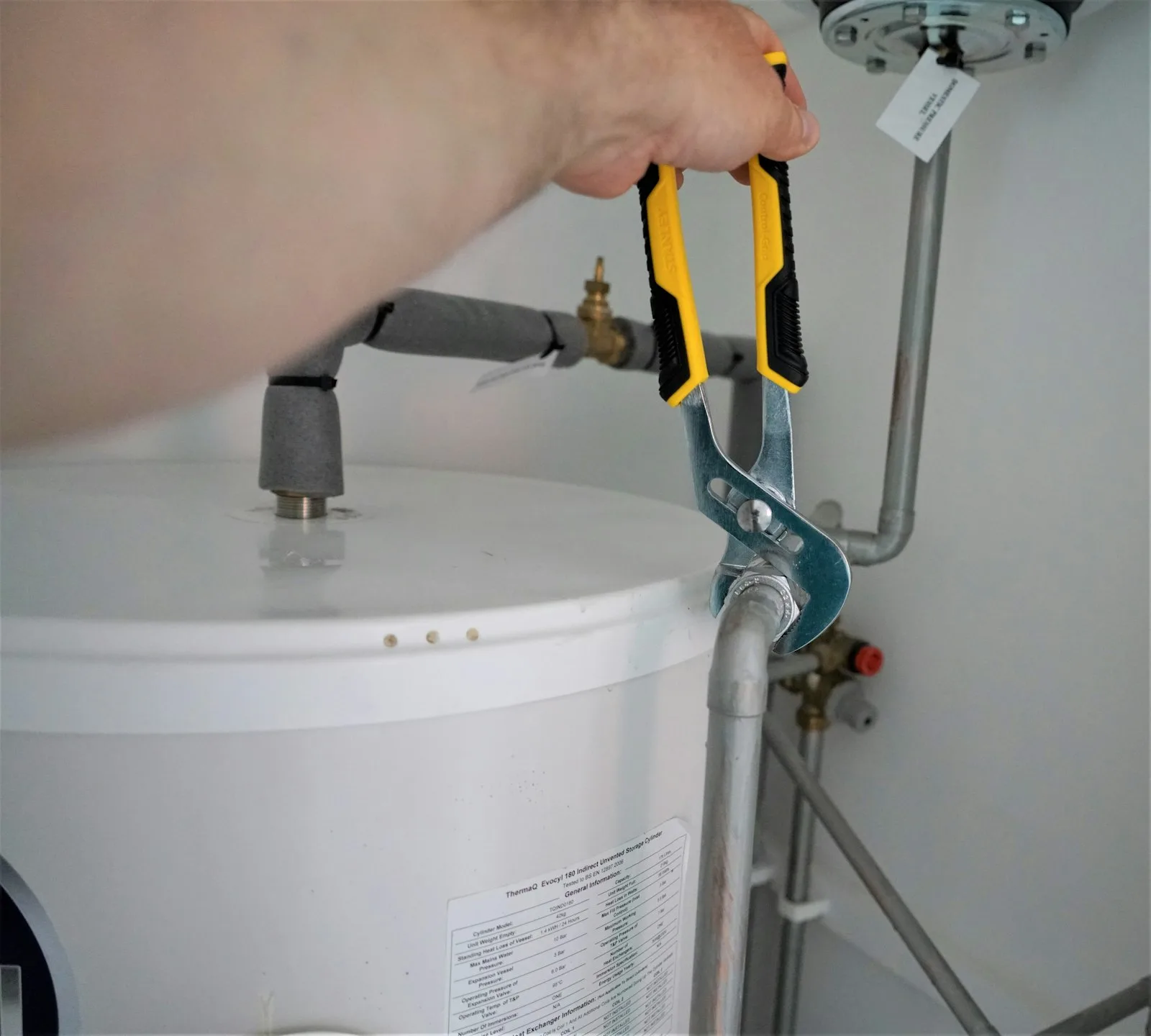
Shut the main water off. On most properties here the valve sits in a meter box near the street or the front kerb, and it takes a quarter turn with a meter key or a wrench.
Open the lowest faucet in the house, plus an outside hose bib if you have one, to drain the pressure out of the lines.
Stay out of standing water that is anywhere near outlets, cords, an electrical panel or the water heater.
Cut power to the flooded area at the breaker only if the panel is dry and you can reach it without standing in water. If either of those is not true, leave it and keep people away from the water.
Move rugs, boxes and anything on the floor out of the water, and lift furniture legs if you can.
Photograph the damage before you clean up. It costs nothing now and your insurer will ask for it later.
Treat tape or a repair clamp as a way to slow the flow while you get to the valve, not as a substitute for shutting the water off.
Then send a request and say where the water is, what you shut off and how long it has been running.
Why pipes burst in Houston
Hard freezes are rare, so lines here are often less protected than in colder regions
Exposed hose bibs and exterior walls freeze first
Attic runs get cold fast and are far from anyone noticing
Breaks usually appear during the thaw, not during the freeze
Older galvanized and corroded copper fails at thin spots under normal pressure
Ground movement during drought and heavy rain stresses buried lines
What repair involves
Getting to the break, cutting out the failed section, and repairing the run with appropriate materials for that pipe. In an accessible location that is quick. In a wall, a ceiling or the slab, access is most of the work.
If one section failed because the pipe material is at the end of its life, expect a conversation about the rest of that run. Repairing one spot on a line that is failing throughout is a short term fix.
Reducing the risk before the next freeze
Cover exterior hose bibs and disconnect hoses
Insulate exposed lines in the attic, garage and exterior walls
Know where your main shut off is and make sure it actually turns
Keep an eye on lines in unconditioned spaces during a cold snap
Deal with a slow drip before a freeze, since weak spots fail first
Questions people ask us
What should I do when a pipe bursts?
Close the main shut off, usually at the meter box near the street, then open the lowest faucet in the house so the lines drain and pressure drops. Stay out of standing water near outlets or an electrical panel. Move belongings, photograph the damage, and request service. Leave the wall or ceiling closed until someone can see the break.
Can I use tape or a clamp until help arrives?
A clamp or wrap on an accessible pipe can reduce the flow temporarily, but it is not a repair and it should not be a reason to turn the water back on and leave it. Shutting off the supply is more reliable than any patch.
Why did my pipe break after the freeze ended?
Ice expands and splits the pipe while it is frozen, but no water flows out until the ice melts. That is why so many breaks are discovered during the thaw, sometimes a day or two after the cold.
Related pages
Ready to get this fixed?
Send the details and a plumber working in your area will follow up with you.