
Clogged Drain Guide: Causes, Warning Signs and Solutions
Almost every drain question comes down to one thing: is this clog at the fixture, or in the main line. Answer that and you know whether this is a plunger afternoon or a phone call.
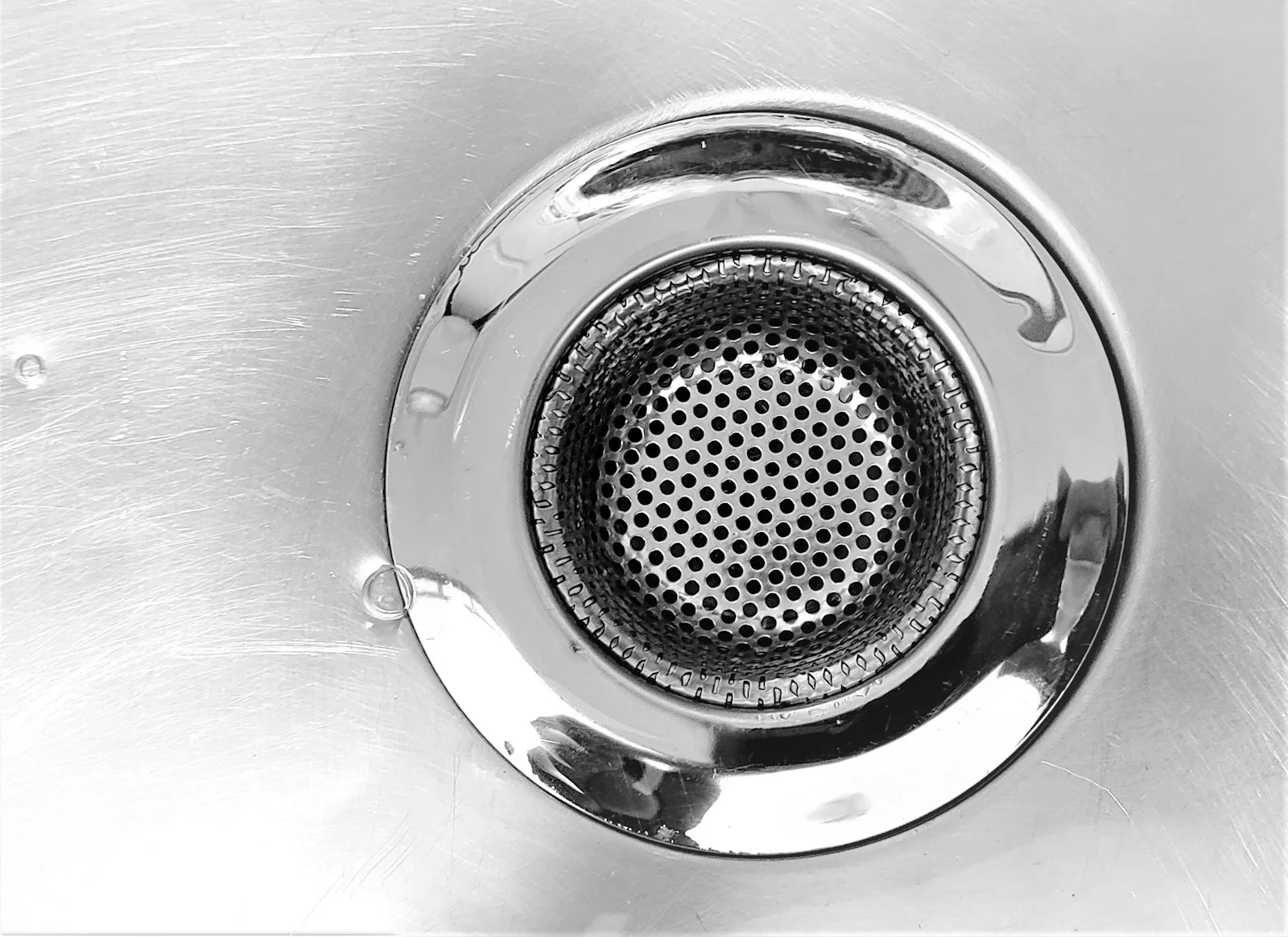
Fixture clog or main line
Run water in one fixture and watch the others. If only one drain is slow and nothing else reacts, the clog is local. If a second fixture gurgles, rises or slows at the same time, everything is draining into a shared line that is restricted.
Local clog: one fixture, no reaction elsewhere, often clears with basic effort
Main line: multiple fixtures, gurgling, water appearing in tubs or floor drains
Main line: the lowest opening in the house is where backup appears first
Main line: backups that follow laundry or a dishwasher cycle
What actually causes clogs
Grease, the main culprit in kitchens. It hardens on the pipe wall and collects everything after it.
Hair and soap, the main culprit in bathrooms
Wipes labeled flushable, which do not break down like paper
Coffee grounds, rice and pasta, which pack together downstream
Roots entering sewer line joints
Sagging pipe sections that hold water and collect solids
Scale and corrosion narrowing older cast iron
What to try at home
Plunge properly: block the overflow or the second bowl so pressure goes down the line
Clean the pop up stopper assembly in a bathroom sink
Pull the P trap under a sink with a bucket ready
Hot water down a sluggish kitchen line, before it fully blocks
A hand auger for a short reach on a fixture line
Stop when you meet solid resistance you cannot move, and stop if water starts rising elsewhere
Skip the chemicals
Chemical drain openers rarely clear a full blockage, and they sit against the pipe wall while they fail. They damage some materials, they make the line hazardous for the next person to open it, and they do nothing about roots or a sagging pipe. If you have already used some, tell whoever comes out.
Professional options and what each is for
Cabling: mechanically opens a blockage and cuts roots. Fast, good for hard obstructions.
Hydro jetting: scours the pipe wall. Best for grease and scale. Needs healthy pipe.
Camera inspection: shows why it happened and where. Do this before agreeing to excavation.
Repair or replacement: for broken, offset, sagging or root bound lines
Keeping drains clear
Pour cooking grease into a container, not the sink
Use strainers in kitchen and shower drains
Flush only what is supposed to be flushed
Run plenty of water when using a disposal
For lines with a history, schedule cleaning ahead of the interval where it usually fails
Questions people ask us
Why does my drain clog again a month after being cleared?
Because clearing opened a channel through the blockage without removing what is coating the pipe. The buildup, the sagging section or the root intrusion that caused it is still there. That pattern is the main reason to inspect the line rather than pay for another clearing.
Related pages
Ready to get this fixed?
Send the details and a plumber working in your area will follow up with you.