
Houston Plumbing Emergency Guide
The first ten minutes decide how expensive this gets. Stop the water, stay away from anything electrical, protect what you can move, then send a request. Read the rest of this before you need it.
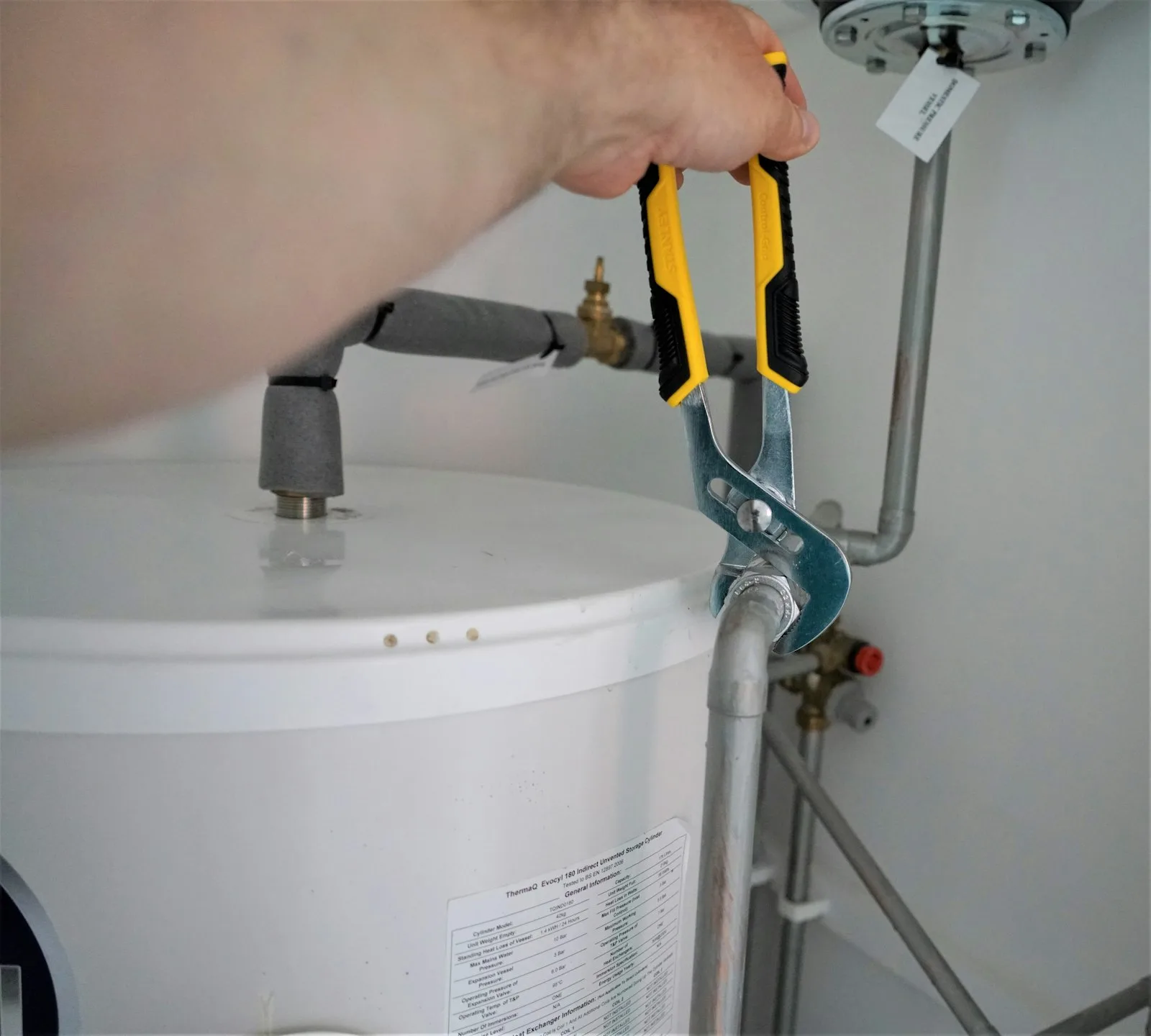
Know these three shut offs before an emergency
Fixture shut offs: behind each toilet and under each sink. Turn clockwise to close. Test them occasionally, because the ones that fail are always the ones you need.
Water heater inlet: on top of the tank, on the cold line. Closing it stops the tank from refilling.
Main shut off: usually in the meter box near the street, sometimes at the house. A meter key or a pair of pliers helps. Find yours on a calm afternoon, not at midnight.
First ten minutes
Shut off the water at the nearest valve that works, then the main if needed
Open the lowest faucet in the house to drain pressure out of the lines
Keep everyone out of standing water near outlets, cords or a panel
Kill power to the affected area at the breaker only if the panel is dry and safe to reach
Move furniture, electronics, rugs and boxes out of the water
Photograph everything before you start cleaning up
Send a request describing what happened, what you shut off, and how long water was running
Sewer backup
Stop using water in the entire building, including appliances. Waste water is a health issue, so keep people and pets away from it and do not track it through the house. A backup usually means a main line blockage rather than a problem with the fixture you are looking at.
Water heater emergency
Close the cold water inlet valve on top of the tank
Electric: turn off the breaker for the heater
Gas: set the control to off, and if you smell gas leave and call the gas utility from outside
Do not drain a tank into a finished room without a route for the water
Water at the base of the tank usually means the tank has failed
Freeze events
A Houston freeze is dangerous precisely because it is rare. Before a cold snap, cover hose bibs, disconnect hoses, and insulate exposed lines in the attic and garage. During the thaw, walk the house and the attic looking for wet spots, because that is when splits start releasing water.
What not to do
Do not stand in water that could be energized
Do not pour chemical drain opener into a line that is already backed up
Do not keep flushing a toilet that is not draining
Do not open a wall or ceiling before someone has seen the leak
Do not rely on tape or a clamp and then turn the water back on unattended
Questions people ask us
What is considered a plumbing emergency?
Water escaping that you cannot stop, sewage inside the building, or a complete loss of water. Those three cause damage or health risk immediately. A dripping faucet, a running toilet or a single slow drain is a repair you can schedule for a normal appointment.
Should I turn off the main or just the fixture?
Use the fixture valve if it works and the leak is at that fixture. Go to the main when the fixture valve will not close, when you cannot find the source, or when the leak is inside a wall, a ceiling or the slab.
Related pages
Ready to get this fixed?
Send the details and a plumber working in your area will follow up with you.