
Water Heater Problems: Repair, Replacement and Installation
Water heaters are simple machines that fail in a small number of ways. Once you know which symptom maps to which part, the repair or replace decision gets much easier.
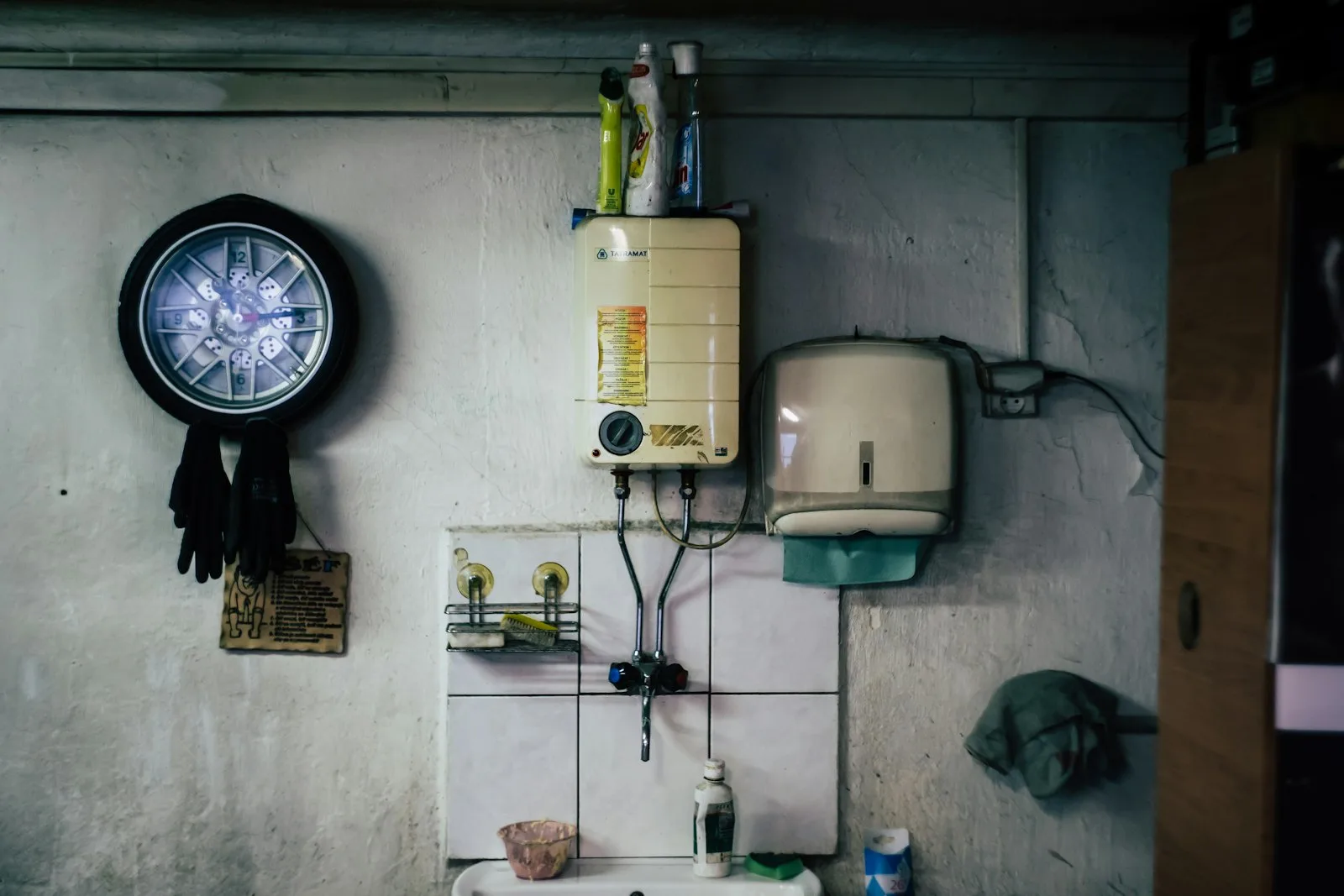
How a tank heater works
Cold water enters through a dip tube that runs to the bottom of the tank. A gas burner underneath or electric elements inside heat the water. Hot water leaves from the top. A thermostat controls temperature, a T and P valve protects against pressure and overheating, and an anode rod corrodes on purpose so the tank does not.
Almost every symptom people describe maps to one of those parts, or to sediment sitting on the tank floor.
Symptoms and likely causes
No hot water, electric: high limit switch tripped, element or thermostat failure
No hot water, gas: pilot or igniter, thermocouple, gas control valve
Runs out early: sediment, failed lower element, broken dip tube, or undersized tank
Lukewarm at all taps: thermostat setting or a hot and cold crossover
Popping and rumbling: sediment boiling under the layer
Rusty hot water: internal corrosion or a spent anode rod
Rotten egg smell: bacteria reacting with the anode rod
Water at the base: fitting, valve, or a failed tank
Hard water and sediment
Houston water leaves mineral deposits, and in a water heater those settle on the bottom of the tank. Sediment insulates the burner from the water, steals usable capacity, and makes the popping sound people describe. Periodic flushing helps when it is done regularly. On a tank that has never been flushed in years, have a plumber look before draining it, because sediment sometimes hides problems.
Repair or replace
Repair a sound tank with a failed part. Replace a tank that is leaking from the body, corroding at the seams, or costing repeated repairs. Capacity is a separate question, and it is worth ruling out sediment and a broken dip tube before deciding you need a bigger unit.
Tankless, honestly
Tankless gives continuous hot water, no stored tank to fail, and no standby loss. It also often needs a larger gas line and new venting, costs more up front, is limited by flow rate rather than tank size, and needs descaling in hard water. It is a good fit for some homes and an expensive detour for others.
Maintenance worth doing
Flush sediment periodically, more often with hard water
Test the T and P valve if you are comfortable doing it, or ask during a service visit
Check the pan and the area around the base a few times a year
Have the anode rod inspected on an older tank
Keep the area around a gas unit clear for combustion air
Know where the inlet shut off is before you need it
Questions people ask us
What temperature should my water heater be set to?
Around 120 degrees Fahrenheit is the common recommendation, balancing scald risk against bacteria growth in stored water. Higher settings increase burn risk, especially with children in the house. If your household has specific health considerations, ask a professional rather than following a general guideline.
Is an attic water heater a problem?
It is common in Houston and it works, but a leak in an attic damages the ceilings and rooms below. That is why the pan, a properly routed drain line, and a shut off valve you can actually reach matter more with an attic installation than with one in a garage.
Related pages
Ready to get this fixed?
Send the details and a plumber working in your area will follow up with you.