Where to shut your water off before a plumber arrives
Knowing where your shut off valves are before you need them is the difference between a wet floor and a wet ceiling. Where to look, and what to do once the water is off.
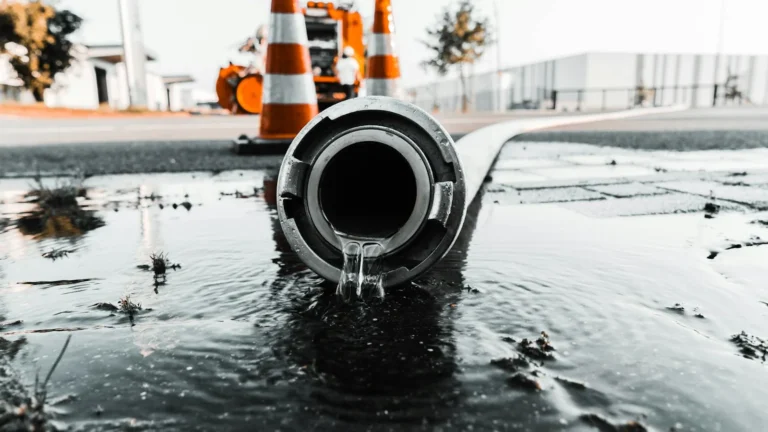
When water is getting out and you cannot stop it, the first few minutes matter more than anything else you do. Knowing where your shut off valves are before you need them is the difference between a wet floor and a wet ceiling.
Start at the fixture
Most toilets and sinks have their own valve on the wall or under the basin. Turn it clockwise until it stops. If that holds the water back, you are done, and the rest of the house keeps running normally.
If the fixture valve will not hold
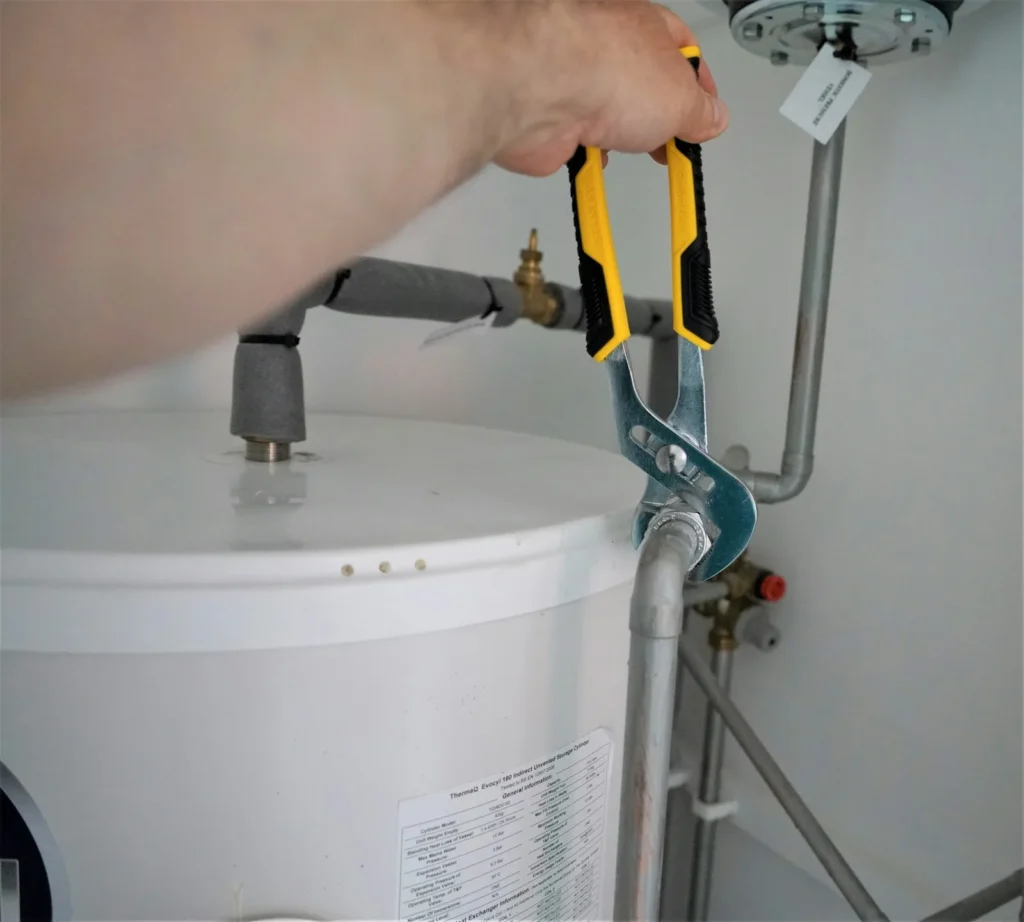
Go to the main. Around Houston that is usually the meter box near the street, under a rectangular lid set into the grass. The valve sits beside the meter and takes a meter key, though a pair of pliers will often turn it. A quarter turn, so the handle sits across the pipe, shuts the house off.
Then open the lowest tap
Open the lowest faucet in the house so the pipes drain and the pressure drops. Keep everyone out of standing water near outlets or cords, and move what you can out of the way while the line empties.
Worth doing on a dry afternoon
- Find the valve under each sink and behind each toilet
- Open the meter box lid and check it is not seized shut
- Keep a meter key somewhere you will remember
Once the water is off and the floor is safe, send a request with what you saw, what you shut off, and how long it was running. That is enough for a plumber to arrive ready to work.